


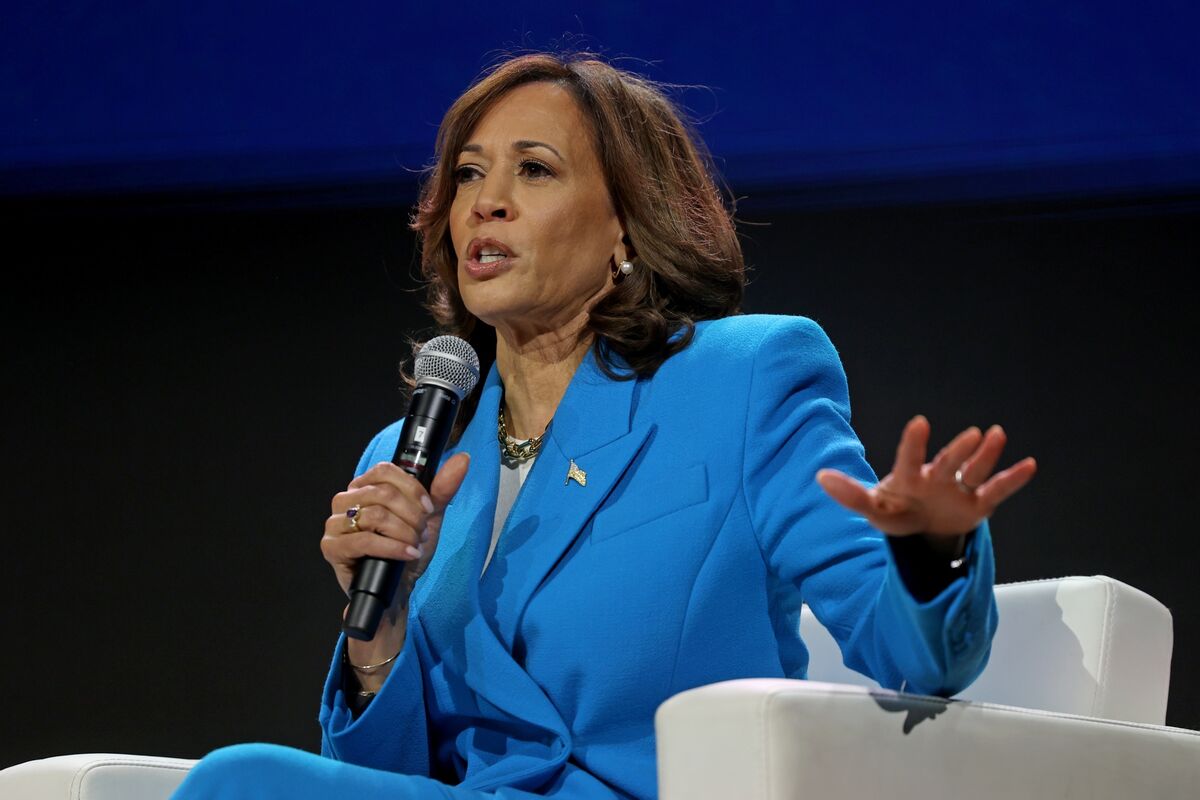
Her advocacy for price controls puts her in the same league as Cade, the buffoon who rebelled against Henry VI with price controls, not fooling the little guys.
Effects of Price Controls
Price controls can have a significant impact on the economy, affecting both consumers and producers. When the government sets a maximum price that can be charged for a certain good or service, it may seem like a win for consumers who can purchase the item for less. However, price controls can lead to shortages as producers may be unwilling to supply the good at the lower price, leading to a decrease in availability.
Impact on Quality
In addition to shortages, price controls can also impact the quality of goods and services. When prices are capped, producers may cut corners to reduce costs and maintain profitability. This can result in lower quality products being available to consumers, ultimately affecting their satisfaction and well-being.
Market Distortions
Price controls can also lead to market distortions, as they interfere with the natural forces of supply and demand. By artificially setting prices, the government can create imbalances in the market that may have unintended consequences. This can lead to inefficiencies and create barriers to entry for new competitors, ultimately harming innovation and economic growth.
Conclusion
In conclusion, while price controls may seem like a quick fix to address affordability concerns, they can have far-reaching implications on the economy as a whole. It is important for policymakers to carefully consider the potential consequences of implementing price controls and to explore alternative solutions that promote competition and innovation in the market. Read More @ American Thinker
